RESEARCH ACTIVITIES OF THE DEPARTMENT OF DEPARTMENT OF PHYSICS

The Department of Physics maintains a vibrant and diverse research ecosystem spanning experimental, theoretical, computational, and applied physics. Faculty members actively contribute to condensed matter physics, thermoelectric materials, microwave and terahertz electronics, photonics, nuclear and particle physics, high energy physics, astrophysics, solid-state electronics, and interdisciplinary medical and technological applications.

Research in materials and condensed matter physics includes the synthesis and characterization of thermoelectric materials such as Bi₂Te₃, Bi₂Se₃, (Bi₁₋ₓSbₓ)₂Te₃, SnTe, and Half-Heusler alloys (e.g., TiCoSb). Studies focus on transport phenomena, efficiency enhancement, and topological properties, integrating materials development with device-level module fabrication. Complementary theoretical and computational investigations address non-Hermitian systems, quantum transport, mesoscopic physics, low-dimensional thermoelectricity, topological and quasiperiodic lattice models, and advanced numerical techniques including the non-equilibrium Green’s function method.

The department also has strong expertise in microwave, millimeter-wave, and terahertz electronics and systems, including terahertz detection, communication attenuation studies funded by the Ministry of Defence (Govt. of India), and THz pulse spectroscopy for biomedical diagnostics. Research contributions in COVID-19 detection using terahertz techniques received industry acknowledgment and media coverage. Work in medical instrumentation, medical imaging, AI-based screening systems, and solid-state electronics further reflects the translational dimension of departmental research. Innovations such as milk adulteration detection sensors and IoT-enabled aeroponics systems highlight societal and industrial relevance.

In nuclear, particle, radiation, and detector physics, faculty members conduct experimental and simulation-based research with applications in medical imaging, radiation dosimetry, and environmental monitoring. A SERB-funded IACSAM project focuses on atmospheric muon imaging of archaeological and civil structures. The department actively participates in international high-energy physics collaborations alongside theoretical research in high energy physics and astrophysics addressing particle interactions, gauge theories, and cosmological phenomena.

Faculty members publish extensively in reputed international journals such as Physical Review B, Physical Review C, Physics Letters B, The European Physical Journal C, Computer Physics Communications, Nuclear Instruments and Methods in Physics Research A, IEEE Transactions on Electron Devices, IEEE Transactions on Device and Materials Reliability, ACS Applied Energy Materials, ACS Omega, Materials Advances, and Annalen der Physik. The department has produced over 250 international journal publications with significant citation impact and numerous international conference proceedings.

The department holds multiple granted patents in areas including UV sanitization devices, wearable infectious disease isolation systems, AI-based medical screening methods, and sustainable agricultural technologies. Research funding has been secured from major government agencies such as DRDO, DAE, DST, SERB, and UGC-DAE CSR, as well as private organizations.

Faculty members have received prestigious recognitions including multiple IEEE Best Research Paper Awards, Top Cited Author Award (IOP Sciences, 2024), CMS Award (2021), Breakthrough Prize in Fundamental Physics (ALICE Collaboration), Springer Nature – Her Research Our Future Prize (2025), SERB-SRG grant, Ramanujan Fellowship, and D. S. Kothari Postdoctoral Fellowship.

Through its multidisciplinary expertise, competitive funding, strong publication record, innovation output, and global collaborations, the Department of Physics continues to make significant contributions to fundamental research, advanced technology development, and national strategic initiatives.
IMPORTANT PUBLICATIONS

  1. Ganguly, S., Dey, M., & Maiti, S. K. (2026). Spin caloritronics in collinear ferromagnetic helical structures under irradiation. *ACS Applied Energy Materials*. [https://doi.org/10.1021/acsaem.5c04000](https://doi.org/10.1021/acsaem.5c04000)
  2. Saha, A., Banerjee, R., & Gangopadhyay, S. (2026). Null reduction and dynamical realization of Carrollian conformal symmetries. *The European Physical Journal C*. [https://link.springer.com/article/10.1140/epjc/s10052-026-15304-z](https://link.springer.com/article/10.1140/epjc/s10052-026-15304-z)
  3. Das, A., Chatterjee, R., Sarkar, S., Ninave, G., Bose, D., Dutta, A. K., Biswas, S., Mukherjee, M., Venkatesan, R., Majee, R., Dasgupta, S., Mukhopadhyay, J., & Mukhopadhyay, M. (2025). Green chemistry-assisted synthesis of metal nanoparticles and fabrication of microstructurally engineered conductive and endurable M0@PEO functional films. *ACS Omega*. [https://doi.org/10.1021/acsomega.5c03323](https://doi.org/10.1021/acsomega.5c03323)
  4. Basu, S., Mukherjee, G., Rajbanshi, S., Utsuno, Y., Shimizu, N., Nandi, S., Nayak, S. S., Pal, S., Bhattacharyya, S., Chakraborty, S., Bhattacharya, S., Dar, S., Das, S., Basak, S., Kumar, D., Paul, D., Banerjee, K., Roy, P., Manna, S., Kundu, S., Rana, T. K., Pandey, R., Samanta, S., Chatterjee, S., Raut, R., Ghugre, S. S., Pai, H., Karmakar, A., Chattopadhyay, S., Das Gupta, S., Pallav, P., Banik, R., Ali, S., Wang, Y. M., & Chen, Q. B. (2025). Conclusive evidence of magnetic rotational band in 57Fe: Extending the shears mechanism to the fp shell orbital. *Physics Letters B*. [https://doi.org/10.1016/j.physletb.2025.139642](https://doi.org/10.1016/j.physletb.2025.139642)
  5. Mahakal, S., Jana, A., Das, D., Rana, N., Sardar, P., Hussain, S., Maiti, S. K., & Malik, K. (2025). Drastic modification in the thermal conductivity of the TiCoSb half-Heusler alloy: Phonon engineering by lattice softening and ionic polarization. *ACS Applied Energy Materials*. [https://doi.org/10.1021/acsaem.5c01057](https://doi.org/10.1021/acsaem.5c01057)
  6. Dey, T., Bhattacharya, P., Mukhopadhyay, S., Majumdar, N., Seal, A., & Chattopadhyay, S. (2024). Parallelization of Garfield++ and neBEM to simulate space-charge effects in RPCs. *Computer Physics Communications*. [https://doi.org/10.1016/j.cpc.2023.108944](https://doi.org/10.1016/j.cpc.2023.108944)
  7. Bhattacharya, P., Roy, P., Dey, T., Datta, J., Rout, P. K., Majumdar, N., & Mukhopadhyay, S. (2025). Numerical simulation of charging up, accumulation of space charge and formation of discharges. *Nuclear Inst. and Methods in Physics Research, A*. [https://doi.org/10.1016/j.nima.2025.170336](https://doi.org/10.1016/j.nima.2025.170336)
  8. Prajapati, M., Nag, S., Pai, H., Chakraborty, S., Bhattacharya, S., Ali, S., Rajbanshi, S., Ray, P., Sahoo, S., Srivastava, P. C., Meng, J., Xu, F. F., Goswami, A., Banik, R., Nandi, S., Bhattacharyya, S., Mukherjee, G., Bhattacharya, C., Laskar, M. S. R., Palit, R., Samanta, S., Das, S., Chatterjee, S., Raut, R., & Ghugre, S. S. (2024). Evolution of quadrupole and octupole excitations beyond noncollective states in 114Te. *Physical Review C*. [https://doi.org/10.1103/PhysRevC.110.064321](https://doi.org/10.1103/PhysRevC.110.064321)
  9. Dey, M., Sarkar, S., & Maiti, S. K. (2023). Light irradiation controlled spin selectivity in a magnetic helix. *Physical Review B*. [https://doi.org/10.1103/PhysRevB.108.155408](https://doi.org/10.1103/PhysRevB.108.155408)
  10. Bhattacharya, S., Kundu, A., Chakraborty, D., Sarkar, A., & Mukherjee, M. (2023). Strain modulated asymmetrical Si/SiGe superlattice p+-i-n+ switches for MMW low-loss secure communication systems. *IEEE Transactions on Device and Materials Reliability*.[https://doi.org/10.1109/TDMR.2022.3224444 (https://doi.org/10.1109/TDMR.2022.3224444)
  11. Mahakal, S., Das, D., Singha, P., Banerjee, A., Das, S. C., Maiti, S. K., Aravindh, S. A., & Malik, K. (2023). Transport phenomena of TiCoSb: Defects induced modification in structure and density of states. *Materials Advances*. [https://doi.org/10.1039/D3MA00323J](https://doi.org/10.1039/D3MA00323J)
  12. Bhattacharya, A., Pal, S., Dhara, P., & Bhattacharya, D. S. (2022). Properties of strange quark matter in the context of diquark correlation. *Annalen der Physick*. [https://doi.org/10.1002/andp.202200297](https://doi.org/10.1002/andp.202200297)
  13. Sarkar, M., Dey, M., Maiti, S. K., & Sil, S. (2020). Engineering spin polarization in a driven multi-stranded magnetic quantum network. *Physical Review B*. [https://doi.org/10.1103/PhysRevB.102.195435](https://doi.org/10.1103/PhysRevB.102.195435)
  14. Chakraborty, D., Chatterjee, S., & Mukherjee, M. (2020). Hybrid multi-graphene/Si avalanche transit time <h-ATT> terahertz power oscillator: Theoretical reliability and experimental feasibility studies. *IEEE Transactions on Device and Materials Reliability*. 10.1109/TDMR.2020.3018664
  15. Chatterjee, S., & Mukherjee, M. (2019). Strain-engineered asymmetrical superlattice Si/Si1-xGex nano-ATT <p++-n-n–n++> oscillator: Enhanced photo-sensitivity in THz domain. *IEEE Transactions on Electron Devices (IEEE ED)*. 10.1109/TED.2019.2923108

LIST OF MOUS

Mou with Indian Centre for Space Physics (ICSP), Kolkata, West Bengal

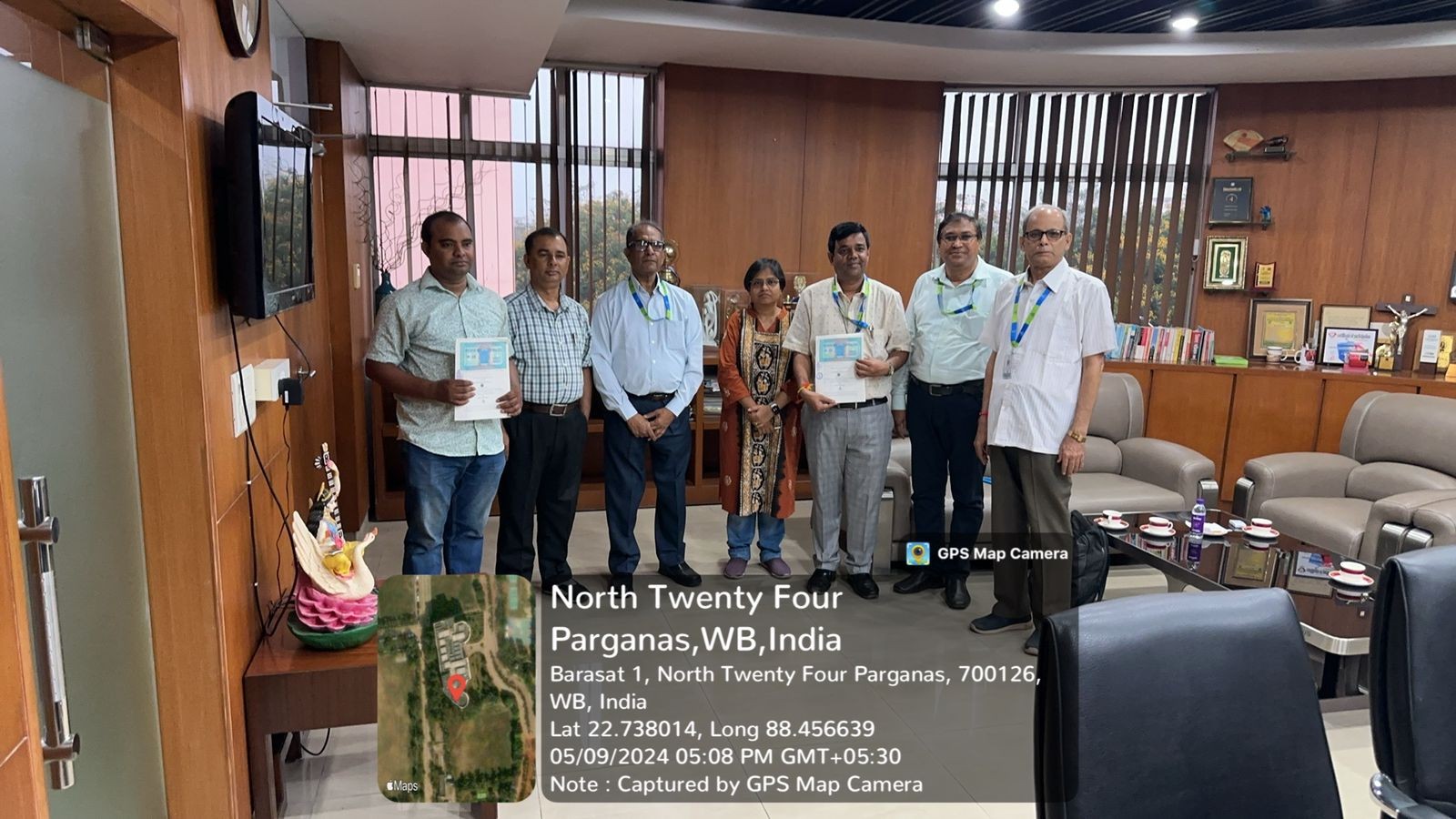
A Memorandum of Understanding (MoU) was signed on 6th June 2024 between Adamas University and Indian Centre for Space Physics (ICSP) to promote academic and research collaboration, with a primary focus on establishing a Joint Ph.D. Programme in frontier areas of Space Physics and allied disciplines.

The MoU sets forth the terms and conditions governing the joint doctoral programme, including collaborative supervision, research coordination, academic responsibilities, and shared utilization of research facilities. The agreement aims to strengthen advanced research in space physics, astrophysics, atmospheric science, and related interdisciplinary domains, while providing enhanced research exposure and infrastructure support to doctoral scholars

Highlights of the MoU

  • Collaboration in research activities in space physics, atmospheric and environmental sciences, and other interdisciplinary domains.
  • Joint guidance and supervision of UG, PG, and Ph.D. students, including internships, dissertations, and research projects.
  • Exchange of faculty members, researchers, and students for academic and research purposes.
  • Organization of joint seminars, workshops, conferences, training programs, and invited lectures.
  • Sharing of laboratory facilities, research infrastructure, and technical expertise as mutually agreed.
  • Joint efforts to seek research funding from national and international funding agencies

This MoU is expected to enhance research output, promote innovation in space science and related fields, and provide a strong academic and research platform for both institutions.

INFRASTRUCTURE

RESEARCH ACTIVITIES OF THE DEPARTMENT OF MATHEMATICAL SCIENCES

The Department of Mathematical Sciences at Adamas University has been actively engaged for the past ten years in diverse areas of Mathematics and Statistics. The department emphasizes both theoretical and application-oriented research. Faculty members have published more than 50 research articles in reputed national and international journals, along with books and book chapters through recognized publishing houses. The department also holds two international patents and has successfully completed three seed-funded research projects.

In recent years, faculty members have actively participated in national and international conferences, presenting their research findings. The department regularly organizes seminars, workshops, conferences, faculty development programs, and training sessions to promote knowledge dissemination and research collaboration. Invited lectures by eminent academicians and industry experts further strengthen the research environment. The department has organized two international conferences in Mathematics, Statistics, and Data Science, one of which was conducted in collaboration with Mahadevananda Mahavidyalaya, Barrackpore, West Bengal.

Currently, the department has 10 research scholars (2 awarded and 8 ongoing) who are doing doctoral research under the supervision of faculty members. Faculty and research scholars consistently publish their work in peer-reviewed journals and conference proceedings. Additionally, faculty members actively mentor postgraduate and undergraduate students in research activities, resulting in joint publications.

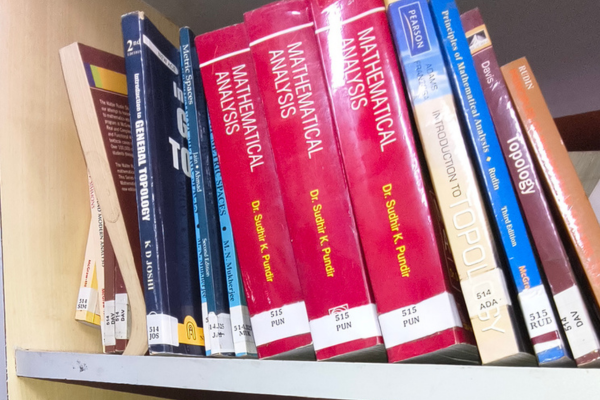
The department’s research spans a wide range of areas, including Algebra, Topology, Number Theory, Galois Representations, Graph-Theoretic Approaches to Cryptography, Fluid Dynamics, Fuzzy Set Theory, Optimization, Operations Research, Bayesian Statistics, Statistical Quality Control, Cosmology, Mathematical Physics, Numerical Linear Algebra, and Financial Mathematics. Faculty members also regularly submit research proposals under various governmental funding schemes.

A strong emphasis is placed on interdisciplinary and collaborative research. The department collaborates with reputed universities, research institutes, industries, and startups to foster knowledge exchange and technology transfer. Memoranda of Understanding (MoUs) with industry partners support joint research projects, consultancy services, internships, and real-world problem-solving initiatives, ensuring that research outcomes align with industry requirements and societal needs.

IMPORTANT PUBLICATIONS

  1. M. K. Singh, N. K. Mahato, N. Kumar, “Pollutant’s horizontal dispersion along and against sinusoidally varying velocity from a pulse type point source”, Acta Geophysica, Volume 63, Pages 214–231, 2015.
  2. S. Biswas, “Optimal predator control policy and weak Allee effect in a delayed prey–predator system”, Nonlinear Dynamics, Volume 90, pages 2929–2957, 2017.
  3. B. Dutta, J. R. Figueira and S. Das, “On the orness of Bonferroni mean and its variants”, International Journal of Intelligent Systems, Volume 34(8), Pages 1889-1919, 2019.
  4. S. Jana and S. Mazumder, “Isomorphism Theorems on Quasi Module”, Discussiones Mathematicae-General Algebra and Applications, Volume 39, Pages 91-99, 2019.
  5. S. Som, “A Note on Probability Convergence defined By unbounded Modulus Function and αβ-Statistical convergence”, Kragujevac Journal of Mathematics, Volume 45(1), pages 127-138, 2021.
  6. S. Singh, A. Pradhan, M. Biswal, “Computation of Some Stochastic Transportation Problems Using Essen Inequality”, International Journal of Applied and Computational Mathematics, Volume 7, article number 241, 2021.
  7. S. Som, “ A remark on the paper “A note on the paper Best proximity point results for p-proximal contractions” ”, Acta Mathematica Hungarica, Volume 166, Pages 103–106, 2022.
  8. S. Som, S. Laha, A. Petrusel, L.K. Dey, “Best proximity point results on arbitrary topological spaces and the Banach contraction principle revisited”, Journal of Nonlinear and Convex Analysis, Volume 23(1), Pages 67-85, 2022.
  9. A. Kundu, S. Kumar, N.K. Tomar, “ A Semi-Closed Form Approximation of Arbitrage-Free Call Option Price Surface”, Computational Economics, Volume 63, Pages 1431–1457, 2024.
  10. S. Biswas, H. Aslam, and P. K. Tiwari, “Mathematical modeling of a novel fractional-order monkeypox model using the Atangana–Baleanu derivative”, Physics of Fluids, Volume 35, Pages 117–130, 2023.
  11. T. Paul, R. K. Singh and N.K.Mahato, “Fate and Transport of Solute with Temporally Varying Pulse Type Input Source under Sorption in Heterogeneous Porous Formation”, Pollution, Volume 10(3), Pages 915-928, 2024.
  12. K.Roy and S. Mazumder, “Encryption Scheme of Modified Caesar Cipher using Bipartite Graph ”, Journal of Information and Optimization Sciences, Volume 46(5), Pages 1645–1658, 2025.
  13. A.Pradhan, A.Karan, S. Das and M.P. Biswal, “Avoid Maximum Cost Method for Solving Linear Fractional Transshipment Problem”, International Journal of Mathematical, Engineering and Management Sciences, Volume 10(3), Pages 654-675, 2025
  14. M.Chakraborty and S. Chakraborty, “A study of Raychaudhuri equation and geodesic focusing in fractal universe”, International Journal of Geometric Methods in Modern Physics, Volume 22(6), 2025.
  15. A. Mondal and S.Maiti, “Repetitive Sampling Inspection Plan Under Truncated Lifetest Based On One Parameter Polynomial Exponential Distribution”, Reliability: Theory & Applications, Volume 20, Pages 1110-1115, 2025.

LIST OF MOUS

MoU Signed with Mahadevananda Mahavidyalaya, Barrackpore

A Memorandum of Understanding (MoU) was signed between the Department of Mathematics, Adamas University, and the Mahadevananda Mahavidyalaya, Barrackpore, on 9th May 2024 for marking an important step toward strengthening academic collaboration and nurturing a broader learning network for aspiring Mathematics and Statistics domain professionals. This association has been established to promote mutual learning, knowledge exchange, and collaborative research development of both the institutions. Through this partnership, closer academic engagement with undergraduate institutions will be facilitated, enabling enhanced monitoring of academic progression and providing timely guidance to students interested in Mathematics and Statistics. The department of Mathematics looks forward to future collaborations of this nature and remains committed to fostering the next generation of intellectuals, researchers, and innovators from the Mathematics and Statistics disciplines.

INFRASTRUCTURE

RESEARCH ACTIVITIES OF THE DEPARTMENT OF GEOGRAPHY

The Department of Geography, Adamas University, Kolkata, has developed a focused and outcome-oriented research ecosystem addressing environmental sustainability, climate resilience, spatial planning, and applied geospatial sciences. The department follows an interdisciplinary research approach integrating physical geography, human geography, geoinformatics, and environmental studies, aligned with national priorities and global sustainability agendas.

The department’s major research thrust areas include river geomorphology and hydrology, river restoration and delta management, coastal, wetland, and mangrove ecosystem studies, urban climate and urban heat island analysis, agricultural sustainability and land-use change, tourism and medical tourism geography, health geography, and social and cultural geography. Research on deltaic, coastal, and mangrove systems emphasizes ecosystem services, climate adaptation, and restoration, while studies on agriculture, tourism, and urban heat islands apply spatial analysis to livelihood, development, and environmental stress. Advanced tools such as GIS, remote sensing, spatial modelling, and hydrodynamic simulations support these research activities.

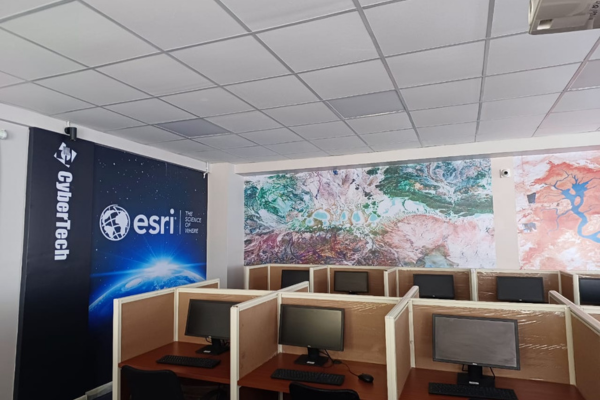
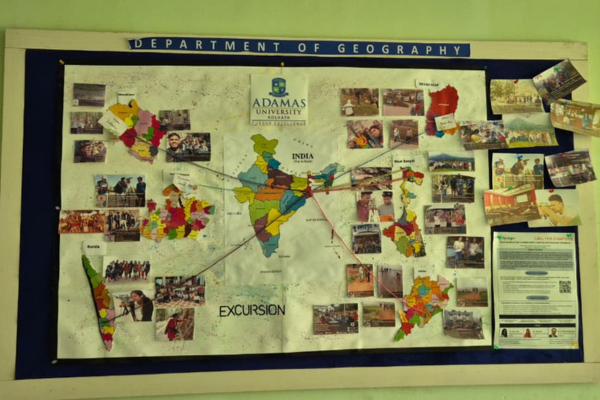
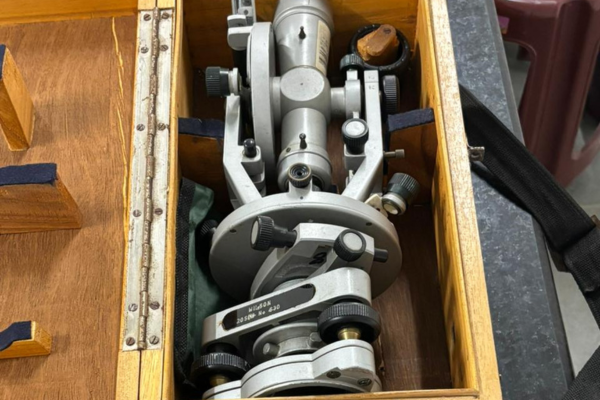
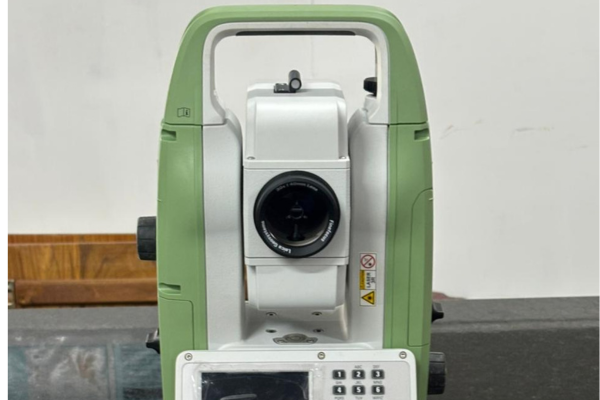
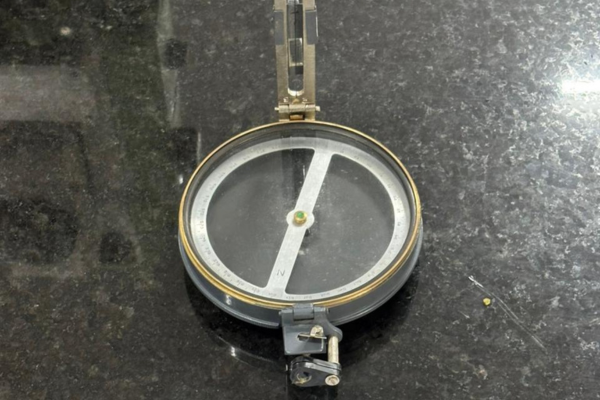
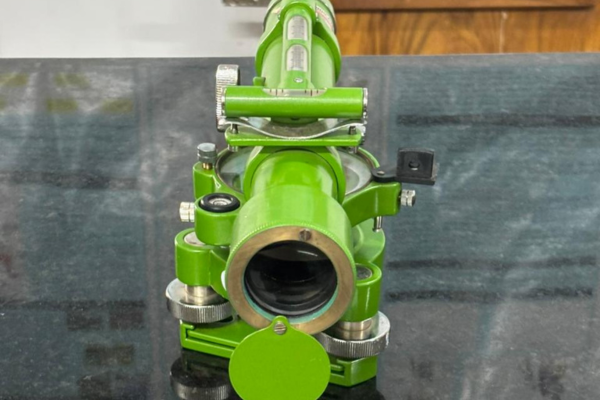
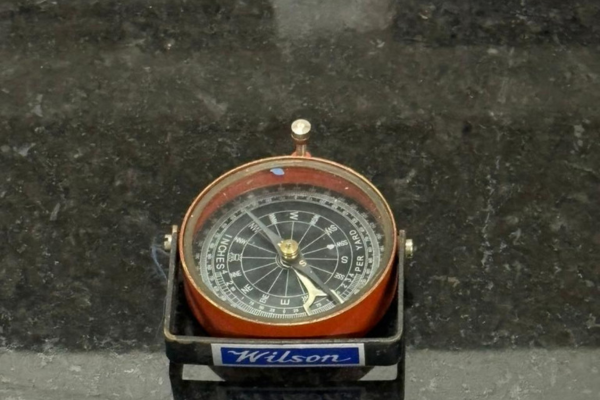
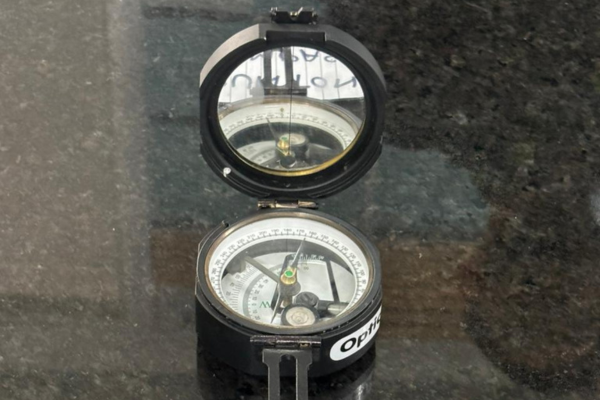
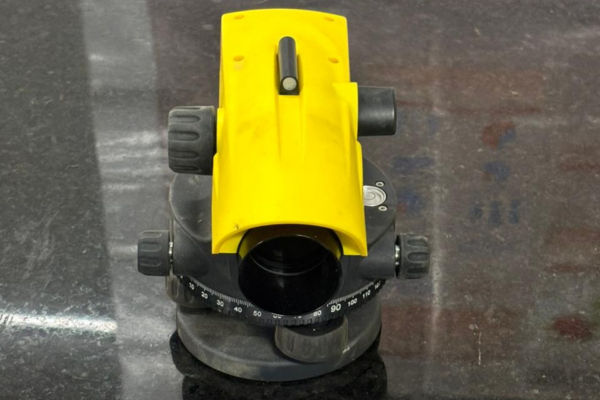
The department is supported by strong research infrastructure. It houses a high-end computer laboratory functioning as an ArcGIS Hub of Excellence, providing facilities for GIS, remote sensing, and spatial modelling. The Physical Geography Laboratory, equipped with advanced survey and field instruments, supports research in geomorphology, hydrology, and environmental monitoring, strengthening field-based and applied research.

In sponsored research, the department has demonstrated consistent performance. Faculty members have received four internal seed research grants from Adamas University. At the national level, the department has been awarded a Core Research Grant from the Science and Engineering Research Board (SERB), Government of India, worth ₹27 lakhs, focusing on river restoration in the western Ganga Delta. At the international level, the department has secured a funded project from the University of Chester, UK, amounting to ₹25 lakhs, on wetland restoration through Nature-Based Solutions, strengthening international academic collaboration.

Doctoral research is a key strength of the department, with more than 25 PhD scholars working on river and coastal systems, mangrove and wetland ecosystems, urban environmental issues, agriculture, tourism, climate change impacts, and geospatial applications.

Research publications reflect sustained scholarly output. During 2015–2025, the department produced 123 publications, including 52 journal articles, 40 conference proceedings, and 31 book chapters. Most journal papers are indexed in SCI and SCOPUS, with publications appearing in journals having impact factors up to 9.

Overall, the Department of Geography, Adamas University, demonstrates a robust research and professional practice framework supported by sponsored projects, strong infrastructure, doctoral strength, and consistent publication output, contributing effectively to NIRF Research and Professional Practice (RPC) parameters.

IMPORTANT PUBLICATIONS

  1. Roy, B., Kasemi, N., & Mukherjee, K. (2023). Identification of urban growth typology and its association with thermal environment: A study of Siliguri Urban Agglomeration, West Bengal, India. *Journal of the Indian Society of Remote Sensing*. [https://doi.org/10.1007/s12524-023-01714-z](https://doi.org/10.1007/s12524-023-01714-z)
  2. Santra Mitra, S., Kumar, A., Santra, A., & Routh, S. (2023). Investigating impact of CORDEX-based predicted climatic and LCM-based LULC scenarios on hydrologic response of a semi-gauged Indian catchment. *Environmental Monitoring and Assessment*. [https://doi.org/10.1007/s10661-022-10840-z](https://doi.org/10.1007/s10661-022-10840-z)
  3. Biswas, T., & Rai, A. (2023). Analysis of spatial patterns and driving factors of domestic medical tourism demand in North East India, South Asia. *GeoJournal*. [https://doi.org/10.1007/s10708-022-10798-y](https://doi.org/10.1007/s10708-022-10798-y)
  4. Das, S., & Sarkar, R. (2020). Impact of brickfields on soil quality of agricultural land along the Bhagirathi-Hugli river basin, West Bengal, India. *Spatial Information Research*. [https://doi.org/10.1007/s41324-019-00304-x](https://doi.org/10.1007/s41324-019-00304-x)
  5. Bhadra, T., Hazra, S., Sinha Ray, S. P., & Barman, B. C. (2020). Assessing the groundwater quality of the coastal aquifers of a vulnerable delta: A case study of the Sundarban Biosphere Reserve, India. *Groundwater for Sustainable Development*. [https://doi.org/10.1016/j.gsd.2020.100438](https://doi.org/10.1016/j.gsd.2020.100438)
  6. Mukherjee, K., Saha, S., Karmakar, S., & Dash, P. (2024). Uncovering spatial patterns of crime: A case study of Kolkata. *Crime Prevention and Community Safety*. [https://doi.org/10.1057/s41300-024-00198-4](https://doi.org/10.1057/s41300-024-00198-4)
  7. Chatterjee, S. (2024). Site suitability analysis for phytoremediation implementation: A case study of Barjora and Durgapur Industrial areas, West Bengal, India. *Environment, Development and Sustainability*. [https://doi.org/10.1007/s10668-023-03451-2](https://doi.org/10.1007/s10668-023-03451-2)
  8. Banerjee, S., Santra, A., Bhadra, T., Mukherjee, K., & Mitra, S. S. (2026). Decoding mangrove diversity through species classification in the Indian Sundarbans using PRISMA hyperspectral data. *International Journal of Remote Sensing*. [https://doi.org/10.1080/01431161.2025.2589530](https://doi.org/10.1080/01431161.2025.2589530)
  9. Bhui, K., Hazra, S., & Bhadra, T. (2025). Assessment of tidal energy potential from low-velocity tidal flows in the Indian Sundarbans utilizing validated hydrodynamic model and tidal turbine technology. *Renewable Energy*. [https://doi.org/10.1016/j.renene.2025.122410](https://doi.org/10.1016/j.renene.2025.122410)
  10. Biswas, T., & Rai, A. (2024). Medical travel from north – east India: An assessment of domestic medical tourists’ travel profile and experience. *Asian Geographer*. [https://doi.org/10.1080/10225706.2022.2098506](https://doi.org/10.1080/10225706.2022.2098506)
  11. Das, S., & Sarkar, R. (2019). Predicting the land use and land cover change using Markov model: A catchment level analysis of the Bhagirathi-Hugli River. *Spatial Information Research*. [https://doi.org/10.1007/s41324-019-00251-7](https://doi.org/10.1007/s41324-019-00251-7)
  12. Santra, A., Kumar, A., Mitra, S. S., & Mitra, D. (2022). Identification of built-up areas based on the consistently high heat-radiating surface in the Kolkata Metropolitan Area. *Journal of the Indian Society of Remote Sensing*. [https://doi.org/10.1007/s12524-022-01543-6](https://doi.org/10.1007/s12524-022-01543-6)
  13. Acharya, A., Mondal, B. K., Bhadra, T., Abdelrahman, K., Mishra, P. K., Tiwari, A., & Das, R. (2022). Geospatial analysis of geo-ecotourism site suitability using AHP and GIS for sustainable and resilient tourism planning in West Bengal, India. *Sustainability*. [https://doi.org/10.3390/su14042422](https://doi.org/10.3390/su14042422)
  14. Mukherjee, K., & Mondal, D. (2022). Spatial equity in urban facility versus residents’ satisfaction: Challenge for the unplanned cities—A case study of Barasat city, India. *GeoJournal*. [https://doi.org/10.1007/s10708-022-10674-9](https://doi.org/10.1007/s10708-022-10674-9)
  15. Yadav, N. K., Mitra, S. S., Santra, A., & Samanta, A. K. (2023). Understanding responses of atmospheric pollution and its variability to contradicting nexus of urbanization–industrial emission control in Haldia, an industrial city of West Bengal. *Journal of the Indian Society of Remote Sensing*. [https://doi.org/10.1007/s12524-022-01649-x](https://doi.org/10.1007/s12524-022-01649-x)

LIST OF MOUS

  1. Estuarine and Coastal Studies Foundation, Howrah, West Bengal
    A Memorandum of Understanding (‘MoU’) was signed on 23rd May 2022 by and between Adamas University and Estuarine and Coastal Studies Foundation. This MoU aims to set forth the terms and conditions, the scope of work, and the responsibilities of the parties associated with their collaboration on various interdisciplinary research and education related to estuarine and coastal studies. The MOU was initiated by Dr. Tuhin Bhadra, Assistant Professor, of the Department of Geography, Dr. Abinit Saha, Assistant Professor & Head, of the Department of Biotechnology, and Dr. Kasturi Mukherjee, Associate Professor & Head, of the Department of Geography. The MoU was signed under the supervision of Prof. Jitendra Kumar Pandey, Pro-Vice-Chancellor (Research) and Dean, School of Basic and Applied Sciences, Adamas University.
    Highlights of the MOU
    ⎯ Collaborate in various inter-disciplinary research activities
    ⎯ Seek research funding jointly from public and private funding agencies
    ⎯ Mutually use and share research and education facilities
    ⎯ Jointly supervise students i.e., UG, PG, and Ph.D. including internship and projects
    ⎯ Jointly conduct professional courses/training programs/workshops/conferences /field study
  2. MoU Signed with Rani Birla Girls’ College
    A Memorandum of Understanding (MoU) was signed between the Department of Geography, Adamas University, and Rani Birla Girls’ College, marking an important step toward strengthening academic collaboration and fostering a wider learning network for aspiring geographers and geospatial professionals. The partnership has been established to promote mutual learning, knowledge exchange, and research development. Through this collaboration, closer academic engagement with undergraduate institutions will be facilitated, enabling enhanced monitoring of academic progression and providing timely guidance to students interested in Geography and Geoinformatics. The department looks forward to future collaborations of this nature and remains committed to nurturing the next generation of thinkers, researchers, and innovators in the discipline.
  3. MoU Signed Between York University and Adamas University
    A Memorandum of Understanding (MoU) was formally signed between York University and Adamas University, marking a significant step towards strengthening international academic collaboration. The partnership aims to enhance global engagement through a series of joint initiatives, including student and faculty exchanges, collaborative research projects, co-developed academic courses, joint events, and experiential education programmes. This MoU reflects a shared commitment to promoting cross-border knowledge exchange and fostering opportunities that enrich academic growth and innovation. The initiative was coordinated by Prof. Alice J. Hovorka, Dean, Faculty of Environmental & Urban Change, York University, and Dr. Kasturi Mukherjee, Head, Department of Geography, Adamas University.
  4. MoU Signed Between R3GIS and Adamas University
    In a significant stride towards fostering international collaboration and technological innovation, Adamas University has entered into a strategic Memorandum of Understanding (MoU) with R3 GIS srl, a leading Italian technology firm specializing in digital solutions for smart cities. The agreement was formally signed on 29th October 2024. This landmark partnership is centered on leveraging R3 GIS’s proprietary GreenSpaces software to advance education, research, and practical application in the critical fields of urban forestry and green infrastructure management within the Indian context.
  5. MoU with Bangabasi College
    On 6th February 2026, Adamas University, Barasat, and Bangabasi College (University of Calcutta), Kolkata, entered into a Memorandum of Understanding (MoU) to foster academic collaboration, research synergy, and capacity building. The MoU aims to promote joint initiatives such as seminars, workshops, faculty and student exchange programmes, research collaborations, internships, and skill development activities. Both institutions agreed to share expertise, resources, and infrastructure to enhance academic excellence, innovation, and student empowerment. The partnership is envisioned as a mutually beneficial, non-financial collaboration, contributing towards quality education, research advancement, and nation-building through collective academic engagement.

INFRASTRUCTURE

RESEARCH ACTIVITIES OF THE DEPARTMENT OF CHEMISTRY

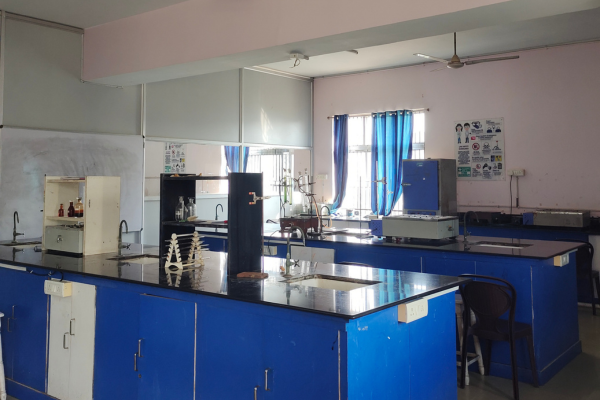
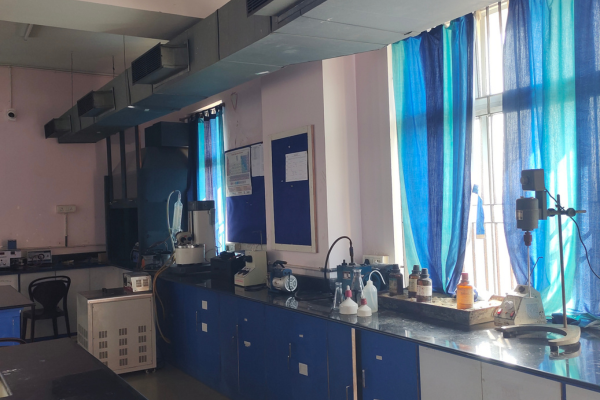
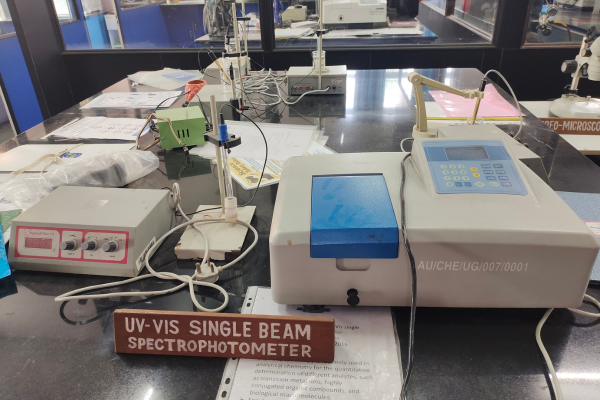
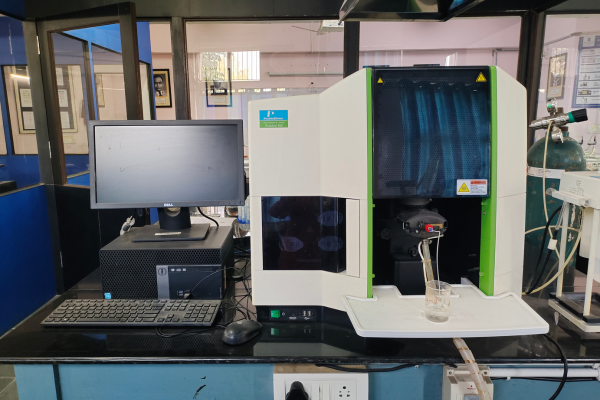
The Department of Chemistry started its research activities since 2015. Till date the Department of Chemistry has received 2 crore of extramural projects. We have developed different laboratories here at the department. We have developed Gas Chromatography Lab. Atomic absorption lab. Spectroscopy lab. Photo catalysis lab and so on. The Department of Chemistry has demonstrated significant research productivity and interdisciplinary engagement during the reported period, with impactful contributions spanning chemical biology, nanomedicine, materials chemistry, inorganic chemistry, and spectroscopy. The research outputs reflect a strong alignment with contemporary global challenges in healthcare, sustainable materials, and advanced functional systems, as evidenced by publications in high-impact international journals such as Journal of the American Chemical Society, Biomacromolecules, ACS Applied Materials & Interfaces, European Journal of Inorganic Chemistry, Crystal Engineering Communication, Dalton. Trans. Inorganic Chemistry, Crystals, The Journal of Chemical Physics and many more.

A major thrust area of the department is stimuli-responsive biomolecular systems for targeted therapy. Notably, cutting-edge research on enzyme-responsive peptide systems has advanced the understanding of cancer-selective drug delivery. The work on dual enzyme–responsive zwitterionic peptides demonstrated high cancer selectivity through intralysosomal self-assembly, offering a novel strategy for precision oncology. Complementing this, enzyme-encapsulated porous nanocapsules were developed for lysosome-targeted and hypoxia-amplified cancer therapy, highlighting the department’s expertise in designing smart nanocarriers that exploit endogenous cellular mechanisms. These studies contribute significantly to the emerging paradigm of responsive and site-specific therapeutic systems.

Another important contribution lies in antimicrobial precision therapy, where gelatinase-responsive short peptide conjugates were reported as an effective treatment against methicillin-resistant Staphylococcus aureus (MRSA). Published in Journal of the American Chemical Society, this work underscores the department’s capability to translate chemical design into clinically relevant antimicrobial solutions, addressing the urgent global challenge of antibiotic resistance.

The department has also made notable advances in protein corona engineering and nanocarrier cloaking strategies. Research on protein corona–enabled cloaking systems has provided critical insights into how endogenous biomolecules can be harnessed to enhance drug delivery efficiency, circulation stability, and immune evasion. These findings strengthen the interface between chemistry, biology, and translational medicine.

In the domain of inorganic and coordination chemistry, the department has maintained a strong presence through the synthesis and structural elucidation of novel metal–organic and molecular assemblies. Several publications report the development of two-dimensional porous metal–organic frameworks, 3d–4f heterometallic assemblies, cobalt cluster-based triazole-bridged systems, and chiral alkali-metal capped nickel cubane complexes. These studies employed advanced single-crystal X-ray diffraction, Hirshfeld surface analysis, magnetic measurements, and thermal analysis to establish structure–property correlations. Importantly, some of these complexes also demonstrated promising catalytic activities, such as heterogeneous epoxidation and bromination reactions, highlighting their multifunctional potential.

The department’s research portfolio further extends to nanomaterials and functional soft matter, particularly in biomedical and environmental applications. Significant contributions include the development of hyaluronate-tethered magnetic nanoparticles for targeted anticancer drug delivery, multicomponent hydrogels enabling accelerated and scarless wound healing, and chitosan-based multifunctional materials for wound care. These studies reflect strong translational relevance and societal impact.

In the area of optical materials and spectroscopy, research on carbon dots with tunable luminescence and single quantum-dot spectroscopy has provided fundamental insights into emission mechanisms, blinking behavior, and non-ergodicity at the single-particle level. Advanced correlative microscopy studies further revealed catalytically active nanostructures within zeolite particles, showcasing sophisticated experimental capabilities.

Additionally, faculty members have contributed to interdisciplinary and societal themes, including sustainable agriculture through nanotechnology, real-time neuropeptide detection, and policy-oriented studies aligned with the National Education Policy (NEP) 2020, emphasizing equity and inclusion.

Overall, the Department of Chemistry exhibits a vibrant and diverse research ecosystem characterized by high-quality publications, interdisciplinary collaborations, and strong societal relevance. The collective research activities not only advance fundamental chemical sciences but also contribute meaningfully to healthcare, sustainability, and national priorities.

IMPORTANT PUBLICATIONS

  1. Avijit Das, Kisholoy Bhattacharya, Lakshmi Kanta Das, Sanjib Giri, & Ashutosh Ghosh. (2018). Mixed azido/phenoxido bridged trinuclear Cu(II) complexes of Mannich bases: Synthesis, structures, magnetic properties and catalytic oxidase activities. Dalton Transaction. [https://doi.org/10.1039/D0DT90032J](https://doi.org/10.1039/D0DT90032J)
  2. Dhrubajyoti Mondal, Mithun Chandra Majee, Kisholoy Bhattacharya, Jérôme Long, Joulia Larionova, Marat M. Khusniyarov, & Muktimoy Chaudhury. (2019). Crossover from antiferromagnetic to ferromagnetic exchange coupling in a new family of bis-(μ-phenoxido)dicopper(II) complexes: A comprehensive magneto−structural correlation by experimental and theoretical study. ACS Omega. [http://dx.doi.org/10.1021/acsomega.8b03656](http://dx.doi.org/10.1021/acsomega.8b03656)
  3. Dipsikha Bhattacharya, Manish Kr Mishra, & Goutam De. (2017). Carbon dots from a single source exhibiting tunable luminescent colors through the modification of surface functional groups in ORMOSIL films. The Journal of Physical Chemistry C. [https://doi.org/10.1021/acs.jpcc.7b08039](https://doi.org/10.1021/acs.jpcc.7b08039)
  4. Dipsikha Bhattacharya, Tejaswi Bhatia, Ratnakar Tiwari, Anu Pal, Pankaj Jagdale, Mohana Krishna Reddy Mudiam, Bhushan Pradosh Chaudhari, Kausar Mahmood Ansari, Vikas Srivastava, & Kailash Chand Gupta. (2019). Accelerated and scarless wound repair by a multicomponent hydrogel through simultaneous activation of multiple pathways. Drug Delivery and Translational Research. 10.1007/s13346-019-00660-z
  5. Dipsikha Bhattacharya, Lipika Ray, Panchanan Pramanik, & Jitendra Kumar Pandey. (2023). Recent advances in various inorganic nanoparticle embedded chitosan-based multifunctional materials for wound healing. Current Nanomedicine. 10.2174/2468187313666230816095330
  6. Dipsikha Bhattacharya. (2024). Development of hyaluronate tethered magnetic nanoparticles for targeted anti-cancer drug delivery. Zastita Materialia. [https://doi.org/10.62638/ZasMat1041](https://doi.org/10.62638/ZasMat1041)
  7. Sukanya Ghosh, Rupa Chaudhuri, Meghna Mukherjee, Anurima Samanta, Priyanka Saha, Lucas R. F. Henneman, Deepanjan Majumdar, Mita Ray Sengupta, Anindita Chakraborty, Bidisha Maiti, Supratim Ghosh, Avik Biswas, & Dona Sinha. (2026). Seasonal fluctuations in ambient particulate matter 2.5 exposure differentially regulate JAK2/STAT3 signaling in never smoking rural and urban cohorts. Free Radical Biology and Medicine. [https://doi.org/10.1016/j.freeradbiomed.2026.02.006](https://doi.org/10.1016/j.freeradbiomed.2026.02.006)
  8. Madhushrita Das, Ankhi Halder, Roshni Chatterjee, Aditi Gangopadhyay, Tanmoy K. Dey, Souvik Roy, Pubali Dhar, & Jana Chakrabarti. (2023). In vitro structure–activity relationship study of a novel octapeptide angiotensin-I converting enzyme (ACE) inhibitor from the freshwater mussel Lamellidens marginalis. International Journal of Peptide Research and Therapeutics. [https://doi.org/10.1007/s10989-023-10495-5](https://doi.org/10.1007/s10989-023-10495-5)
  9. Shaw, S., Samanta, P., Chowdhury, G., Ghosh, D., Dey, T. K., Deb, A. K., Ramamurthy, T., Miyoshi, S. I., Ghosh, A., Dutta, S., & Mukhopadhyay, A. K. (2022). Altered molecular attributes and antimicrobial resistance patterns of Vibrio cholerae O1 El Tor strains isolated from the cholera endemic regions of India. Journal of Applied Microbiology. [https://doi.org/10.1111/jam.15794](https://doi.org/10.1111/jam.15794)
  10. Tanmoy Kumar Dey, Puja Bose, Sangita Paul, Bipul Chandra Karmakar, Rudra Narayan Saha, Animesh Gope, Hemanta Koley, Amit Ghosh, Shanta Dutta, Pubali Dhar, & Asish Kumar Mukhopadhyay. (2022). Protective efficacy of fish oil nanoemulsion against non-typhoidal Salmonella mediated mucosal inflammation and loss of barrier function. Food & Function. [https://doi.org/10.1039/D1FO04419B](https://doi.org/10.1039/D1FO04419B)
  11. Sen, M. Roy, S. Sanyal, A. Dolui, P. Brandão, & Z. Lin. (2025). Novel 2D porous metal–organic frameworks: Synthesis, X-ray structure, thermal, and Hirshfeld surface analyses. Crystals. [https://doi.org/10.3390/cryst15110989](https://doi.org/10.3390/cryst15110989)
  12. Sen, M. Roy, A. Kole, A. Dolui, P. Brandão, & Z. Lin. (2025). A novel 3d-4f two dimensional molecular assembly: Synthesis, structure, magnetic, thermal and Hirshfeld surface studies. Inorganica Chimica Acta. [https://doi.org/10.1016/j.ica.2025.122932](https://doi.org/10.1016/j.ica.2025.122932)
  13. Rupam Sen, Sudipta De, Antonio M. dos Santos, Lívia B. L. Escobar, Paula Cristina Brandão, Filipe A. Almeida Paz, Mario S. Reis, & Zhi Lin. (2023). Novel Co5 cluster based triazole bridged cobalt‐fluorophosphate: Synthesis, structure, magnetic and heterogeneous catalytic epoxidation studies. European Journal of Inorganic Chemistry. [https://doi.org/10.1002/ejic.202300123](https://doi.org/10.1002/ejic.202300123)
  14. Rupam Sen, Kingsukh Mondal, Antonio M. dos Santos, Lívia B. L. Escobar, Paula Brandão, Mario S. Reis, & Zhi Lin. (2023). A chiral alkali metal capped Ni4 cubane complex: Synthesis, structure, magnetic and catalytic bromination studies. Journal of Molecular Structure. [https://www.sciencedirect.com/science/article/pii/S0022286022020610](https://www.sciencedirect.com/science/article/pii/S0022286022020610)
  15. Sen, A. Banerjee, P. Brandão, & Z. Lin. (2023). Observation of structural diversity based on the cationic influence in a series of Zn/Cd pyridine carboxylate coordination compounds. Crystals. [https://www.mdpi.com/2073-4352/13/2/186](https://www.mdpi.com/2073-4352/13/2/186)
  16. Rupam Sen, Sanchayeeta Paul, Alolika Sarkar, Alexandre M. P. Botas, Albano N. Carneiro Neto, Paula Brandão, Armandina M. L. Lopes, Rute A. S. Ferreira, João P. Araújo, & Zhi Lin. (2021). A new series of 3D lanthanide phenoxycarboxylates: Synthesis, crystal structure, magnetism and photoluminescence studies. CrystEngComm. [https://pubs.rsc.org/en/content/articlelanding/2021/ce/d1ce00228g](https://pubs.rsc.org/en/content/articlelanding/2021/ce/d1ce00228g)
  17. Sen, & A. Mondal. (2019). Isolation of octahedral to tetrahedral cobalt-azido molecular assemblies based on cationic influence. Journal of Molecular Structure. [https://www.sciencedirect.com/science/article/abs/pii/S0022286019309731](https://www.sciencedirect.com/science/article/abs/pii/S0022286019309731)
  18. Sen, A. M. L. Lopes, Z. Lin, P. Brandão, & J. P. Araújo. (2019). A new chiral Ni4O4 distorted cube: Synthesis, structure, and magneto‐structural correlation. European Journal of Inorganic Chemistry. [https://doi.org/10.1002/ejic.201900662](https://doi.org/10.1002/ejic.201900662)
  19. Avijit Das, Soumyabrata Goswami, Rupam Sen, & Ashutosh Ghosh. (2019). Inclusion of Ln(III) in the complexes of Co(II) with a Mannich base ligand: Development of atmospheric CO2 fixation and enhancement of catalytic oxidase activities. Inorganic Chemistry. [https://doi.org/10.1021/acs.inorgchem.9b00121](https://doi.org/10.1021/acs.inorgchem.9b00121)
  20. Srijeeta Talukder. (2024). Mapping of DNA base-pair sequence from breathing dynamics of hetero-polymeric DNA: A genetic algorithm based study. Journal of Chemical Sciences. [https://link.springer.com/article/10.1007/s12039-024-02266-6](https://link.springer.com/article/10.1007/s12039-024-02266-6)
  21. Pulak Naskar, & Srijeeta Talukder. (2024). Energetics and spectroscopic studies of CNO-(H2O)n clusters and the temperature dependencies of the isomers: An approach based on a combined recipe of parallel tempering and quantum chemical methods. Journal of Computational Chemistry. [https://onlinelibrary.wiley.com/doi/abs/10.1002/jcc.27480](https://onlinelibrary.wiley.com/doi/abs/10.1002/jcc.27480)
  22. Arunasish Layek, Jordi Van Loon, Maarten B. J. Roeffaers, & Alexey V. Kubarev. (2019). Correlated super-resolution fluorescence and electron microscopy reveals the catalytically active nanorods within individual H-ZSM-22 zeolite particles. Catalysis Science & Technology. [https://doi.org/10.1039/C9CY00948E](https://doi.org/10.1039/C9CY00948E)
  23. Amitrajit Mukherjee, Korak Kumar Ray, Chinmay Phadnis, Arunasish Layek, Soumya Bera, & Arindam Chowdhury. (2019). Insights on heterogeneity in blinking mechanisms and non-ergodicity using sub-ensemble statistical analysis of single quantum-dots. The Journal of Chemical Physics. [https://doi.org/10.1063/1.5095870](https://doi.org/10.1063/1.5095870)
  24. Arunasish Layek, Vikas Arora, Sameer Sapra, & Arindam Chowdhury. (2022). Unraveling the dual emission of single quantum-dot by single particle spectroscopy. Journal of Physics: Conference Series. 10.1088/1742-6596/2349/1/012026
  25. Arunasish Layek, & Subhasree Banerjee. (2023). Real time detection of neuropeptide Y. Pratidhwani the Echo.
  26. Subhasree Banerjee, & Arunasish Layek. (2023). Equity and inclusion: An effort adopted by National Education Policy (NEP) 2020. International Journal of Humanities & Social Science Studies (IJHSSS). 10.29032/ijhsss.v9.iSpecial.2023.151-154
  27. Arunasish Layek, & Subhasree Banerjee. (2024). Prospect of nanotechnology for sustainable agriculture. International Journal of Agriworld.
  28. Snehanka Bose, Samya Sen, Taniya Mariyam, Aniket Jana, Nabanita Mukherjee, Uttam Pal, Batakrishna Jana, Surajit Ghosh, & Amitava Das. (2025). Gelatinase-responsive short peptide conjugate as a precision therapy against methicillin-resistant Staphylococcus aureus. Journal of the American Chemical Society. [https://doi.org/10.1021/jacs.5c11249](https://doi.org/10.1021/jacs.5c11249)
  29. Sourav Dutta, Sanchita Tripathy, Somnath Bej, Sabana Parvin, Batakrishna Jana, Chitta Ranjan Patra, & Amitava Das. (2025). Correction: Esterase-induced release of a theranostic prodrug in lysosomes for improved therapeutic efficacy and lower systemic toxicity. Chemical Science. [https://doi.org/10.1039/D5SC90196K](https://doi.org/10.1039/D5SC90196K)
  30. Dohyun Kim, Jiwon Jang, Seongeon Jin, Jaemo Lee, Batakrishna Jana, & Ja-Hyoung Ryu. (2026). Dual enzyme-responsive zwitterionic peptide for high cancer selectivity via intralysosomal self-assembly. Biomacromolecules. [https://doi.org/10.1021/acs.biomac.5c02196](https://doi.org/10.1021/acs.biomac.5c02196)

LIST OF MOUS

  1. TERRA GREEN TECHNOLOGIES PVT. LTD.[ U74999WB2018PTC228046], a company duly incorporated under the provisions of the Companies Act, 2013, having its registered office at 36, Rastraguru Avenue, Kolkata 700 028, and the Corporate office at Business Center, 12th Floor, Millennium City IT Park, Block GP, Sec V, Kolkata – 700091, West Bengal, India (hereinafter referred to asTerra Green), on the second part.
  2. INDIAN INSTITUTE OF CHEMICAL ENGINEERS- TRAINING INSTITUTE, a training arm of the Indian Institute of Chemical Engineers (IIChE-) a professional body for chemical engineers in India, having its office at Dr. H.L. Roy Building, Raja S.C. Mullick Road, Jadavpur University Campus, Kolkata 700032, INDIA (hereinafter referred to as IIChE- TI) of the Second Part.

INFRASTRUCTURE

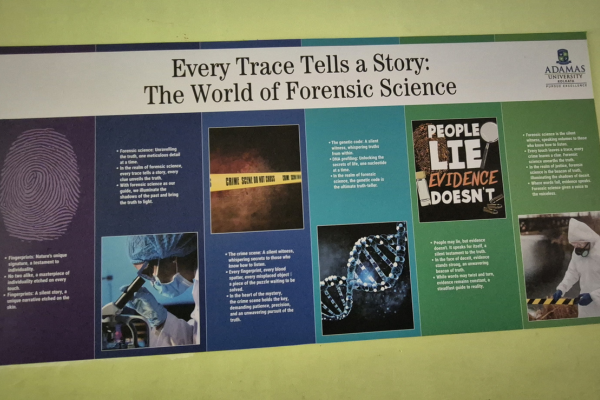
RESEARCH ACTIVITIES OF THE DEPARTMENT OF FORENSIC SCIENCE

The Department of Forensic Science is actively engaged in multidisciplinary research initiatives aimed at enhancing the scientific accuracy, reliability, and judicial relevance of criminal investigations. The department integrates advanced molecular techniques, pathomorphological assessments, DNA fingerprinting, forensic toxicology, serology, ballistics, forensic physics, chemistry, anthropology, and predictive toxicological models to strengthen evidence-based forensic practice.

A major focus of departmental research lies in the functional interpretation of biological evidence. Moving beyond conventional DNA profiling, research initiatives have explored RNA-based forensic approaches, including mRNA and miRNA profiling, to improve tissue identification and resolve complex biological mixtures encountered in forensic casework. Tissue-specific markers such as HBB for blood, HTN3 for saliva, and PRM2 for semen have been planned for use in sexual assault investigations, enabling precise identification of biological sources. Additionally, research planning includes the application of epigenetic age estimation through the analysis of DNA methylation patterns at loci such as ELOVL2 and FHL2, with the aim of predicting the chronological age of unknown donors within a narrow margin of error. Comparative studies on environmental stability have further emphasized the superior resilience of miRNA markers under adverse conditions such as ultraviolet exposure and heat, thereby improving the robustness of molecular evidence.

In forensic pathology, departmental research addresses the critical challenge of post-mortem interval (PMI) estimation. Projects have been initiated to study the thanatomicrobiome, mapping the predictable migration of anaerobic bacteria, including Clostridium species, from the gastrointestinal tract to internal organs such as the liver and brain. Research has also evaluated the effectiveness of virtopsy techniques, particularly post-mortem computed tomography (PMCT), as a non-invasive alternative to traditional autopsy for detecting internal hemorrhages and laryngeal fractures in cases of suspected strangulation. Complementary biochemical investigations involving vitreous humor analysis of potassium and lactate levels have been conducted to refine early post-mortem death timelines.

Research in skeletal identification has focused on forensic odontology, particularly sexual dimorphism in incisor teeth. Morphometric analysis using the incisor index has been employed to differentiate male and female remains, while digital odontometry using two-dimensional image analysis software such as ImageJ has been developed as a reliable alternative to manual measurements. These approaches facilitate remote forensic analysis and rapid identification during mass disaster scenarios.

In alignment with global ethical research practices, the department has reviewed and analyzed New Approach Methodologies (NAMs) as alternatives to animal testing. Research includes the exploration of organ-on-a-chip systems and organoid models to simulate human systemic toxicity, as well as in silico QSAR modeling for predicting the toxicological effects of new psychoactive substances. Nano-toxicological approaches further contribute to predictive and sustainable forensic science.

Finally, applied immunology research strengthens forensic serology through studies on antigen–antibody specificity, hypersensitivity reactions, and the role of the major histocompatibility complex in tissue identity. Overall, the Department of Forensic Science continues to integrate traditional forensic methods with advanced genomic and computational tools, ensuring the highest standards of scientific validity and judicial reliability.

IMPORTANT PUBLICATIONS

  1. AK Kar, A Singh, D Singh, R Verma, N Shraogi, J Saji, P Jagdale, D Ghosh, and S Patnaik, “Biopolymeric composite hydrogel loaded with silver NPs and epigallocatechin gallate (EGCG) effectively manages ROS for rapid wound healing in type II diabetic wounds”, International Journal of Biological Macromolecules, vol. 218, pp. 506-518, 2022.
  2. R Bhattacharjee, AK Kar – “Cheiloscopy: A crucial technique in forensics for personal identification and its admissibility in the Court of Justice” , Morphologie, vol. 108, pp- 100701, 2024.
  3. AK Kar, A review on nanomaterials for developing latent fingerprints, “International Journal of Forensic Sciences” vol. 7, pp. 1-6, 2022.
  4. R Bhattacharjee, TK Singha and AK Kar – “Psycho-Criminological Profiling of Juvenile Serial Killers, “Gradiva Review Journal (ISSN No: 0363-8057), volume 9 issue 3, page no. 547- 559, 2023.
  5. AK Kar – “Sensitivity of Immuno-diffusion technique for determination of species of origin from dried blood stains”. Journal of Sustainable Science and Transformative Research – Reviews & Letters, Vol. 1 (2), pp- 51-53, (2022).
  6. D Sarkar, R Patel, AK Kar – “Occurrence of major white-collar crimes in West Bengal (India) from 2001-2022: a comprehensive study, “Gradiva Review Journal (ISSN No: 0363-8057), volume 9 issue 2, page no. 795-806, 2023.
  7. S Chatterjee, R Patel, AK Kar – “Crime against women: survey of crimes committed against women in west Bengal in the recent time, “Gradiva Review Journal (ISSN No: 0363-8057)” volume 9 issue 5, page no. 90-102, 2023.
  8. Guleria, A., Kumar, D., Verma, S., Shruti, K. M., Soni, P., Srivastav, S., Singh, R., Koolman, L., Andjelković, S., Thakur, A., Xhemali, B., & Adeyemi, N. O. (2026). AI-assisted species identification in forensic entomology: Advancements and applications. In D. Mitra, M. Pellegrini, & B. E. G. Sierra (Eds.), Advancements in entomology (pp. 1–29). Springer, Singapore. https://doi.org/10.1007/978-981-95-5214-6_1
  9. Shruti, K. M., Soni, P., Gautam, A., Srivastav, S., Singh, R., Sierra, B. E. G., Sami, R., Gunsola, D., Rani, A., Mitra, D., Karmakar, R., Thankappan, S., & Assefa, A. (2026). AI-driven behavioral analysis of insects: Unraveling movement patterns and interactions. In D. Mitra, M. Pellegrini, & B. E. G. Sierra (Eds.), Advancements in entomology (pp. 31–61). Springer, Singapore. https://doi.org/10.1007/978-981-95-5214-6_2
  10. Srivastav, S., Singh, R., Shruti, K. M., Soni, P., Singh, R., Boutaj, H., Mahakur, B., Chattaraj, S., Korgaonkar, S. N., Ganguly, A., Koolman, L., Verma, D., & Joshi, N. (2026). AI-driven predictive modeling of necrophagous insect life cycles in forensic entomology. In D. Mitra, M. Pellegrini, & B. E. G. Sierra (Eds.), Advancements in entomology (pp. 63–92). Springer, Singapore. https://doi.org/10.1007/978-981-95-5214-6_3
  11. Shruti, K. M., Srivastav, S., Soni, P., Singh, R., Behera, N. R., Sati, S., Karmakar, R., Janeeshma, E., Fathi, A., Kumar, S., Sağlam, K., Thamarsha, A. K. A. N. W. M. R. K., Sarkar, T., & Gunsola, D. (2026). AI-driven virtual simulations for understanding insect colonization dynamics in forensic science. In D. Mitra, M. Pellegrini, & B. E. G. Sierra (Eds.), Advancements in entomology (pp. 121–143). Springer, Singapore. https://doi.org/10.1007/978-981-95-5214-6_5
  12. Srivastav, S., Soni, P., Akshita, Shruti, K. M., Rani, A., Gaur, A., Santoyo, G., Fathi, A., Mandaliya, V. B., Roy, D., Pellegrini, M., Sanchez Ballesteros, L. M., Suárez Acosta, N. K., & Singh, R. (2026). Advancements in AI-driven entomological tools for forensic investigations. In D. Mitra, M. Pellegrini, & B. E. G. Sierra (Eds.), Advancements in entomology (pp. 145–171). Springer, Singapore. https://doi.org/10.1007/978-981-95-5214-6_6
  13. Semwal, A., Chauhan, N., Singh, R., Gaur, A., Mitra, D., Koolman, L., & Adeyemi, N. O. (2026). Innovative approaches to crop protection: Harnessing integrated pest management strategies. In D. Mitra, M. Pellegrini, & B. E. G. Sierra (Eds.), Advancements in entomology (pp. 185–202). Springer, Singapore. https://doi.org/10.1007/978-981-95-5214-6_8
  14. Gore, N. S., Kulkarni, V. M., Singh, R., Gaur, A., Gunsola, D., & Thamarsha, A. K. A. N. W. M. R. K. (2026). Guardians of the crop: Harnessing beneficial insects for sustainable agriculture. In D. Mitra, M. Pellegrini, & B. E. G. Sierra (Eds.), Advancements in entomology (pp. 203–220). Springer, Singapore. https://doi.org/10.1007/978-981-95-5214-6_9
  15. Amar S,K, Mishra A, Shukla, S.K, (2025) Good manufacturing practices (GMP) in production of essential oils/fragrances for cosmetics industry. Essential Oils and Fragrances in Cosmetics: Global Regulatory Practices and Compliance (1st ed.). CRC Press. https://doi.org/10.1201/9781003558477

LIST OF MOUS

MoU with FORENSIBUS, Kolkata, West Bengal

A Memorandum of Understanding (MoU) was signed on 18th September 2024 between Adamas University and FORENSIBUS, Salt Lake -Kestopur Brg, BK Block, Sector II, Bidhannagar, Kolkata, West Bengal 700091 to promote academic and research collaboration, with focus on establishing a Joint research exposure to our undergraduate and post graduate students

The MoU sets forth the terms and conditions governing the joint research guidance to our bachelor students, including collaborative supervision, research coordination, academic responsibilities, and shared utilization of research facilities. The agreement aims to strengthen advanced research in forensic science and related interdisciplinary domains, while providing enhanced research exposure and infrastructure support to our scholars.

Highlights of the MoU

  1. Enhance investigative mindsets and forensic skills among the students.
  2. Organize various workshops on Forensic and its newest Trends.
  3. Conduct practical trainings on various forensic domains.
  4. Organize various webinars/guest lectures from industry experts.
  5. Assist students in various research-oriented projects.
  6. Assist the students in establishing various start-ups in and around forensics.
  7. Conduct placement-oriented training programs for students to get industry ready.

This MoU is expected to enhance research output, promote innovation in forensic science and related fields, and provide a strong academic and research platform for both institutions.

INFRASTRUCTURE

RESEARCH ACTIVITIES OF THE DEPARTMENT OF MANAGEMENT

The department has cultivated a vibrant and intellectually rich research culture that reflects both disciplinary depth and interdisciplinary breadth. Faculty members are actively engaged in cutting-edge academic inquiry across diverse domains of business, including neuromarketing, emotional intelligence, place branding, green finance, and the rapidly expanding field of artificial intelligence applications in business. This diversity of expertise not only strengthens the department’s academic foundation but also positions it at the forefront of emerging trends shaping global business landscapes.

A defining characteristic of the department’s research ethos is its strong interdisciplinary orientation. Much of the ongoing work integrates insights from management, psychology, technology, environmental studies, and the social sciences. Sustainability—both environmental and social—forms a central pillar of this interdisciplinary approach. Faculty and doctoral scholars alike are encouraged to explore research questions that address contemporary sustainability challenges, from responsible consumption and green financial systems to workplace well-being and technology-enabled social inclusion. This commitment ensures that the department’s research contributes meaningfully to global conversations on sustainable development.

Doctoral research is a key strength of the department. Supervisors actively mentor scholars to pursue innovative and socially relevant research topics, particularly in emerging areas of business and social sciences. Many doctoral candidates are engaged in technology-focused research that examines the intersection of digital transformation, sustainability, and human behavior. Their work spans themes such as AI-driven decision-making, digital consumer psychology, sustainable supply chain technologies, and the societal implications of automation. Importantly, doctoral scholars are encouraged to maintain high academic standards, and all candidates publish at least one article in ABDC- or SCOPUS-indexed journals prior to submitting their thesis. This ensures that their research meets global benchmarks of quality and rigor.

Faculty members further strengthen the department’s research reputation through consistent publication in high-quality outlets, including ABDC A and above journals. Their scholarly contributions not only advance theoretical understanding but also offer practical insights for industry and policymakers. This dual impact—academic and applied—reflects the department’s commitment to producing research that is both intellectually robust and socially meaningful.

In addition to academic research, the department is expanding its engagement with industry through management development programs (MDPs) and executive training initiatives. These emerging avenues allow faculty to translate their expertise into practice, offering training in areas such as artificial intelligence for business leaders, digital marketing strategies, and technology-driven marketing innovations. By bridging academic knowledge with real-world application, the department is positioning itself as a hub for executive learning and professional development.
Overall, the department stands as a dynamic center of research excellence, driven by a commitment to innovation, sustainability, and societal impact. Its blend of scholarly rigor, interdisciplinary inquiry, and industry engagement ensures that it remains responsive to the evolving needs of the business world while contributing meaningfully to academic advancement.

IMPORTANT PUBLICATIONS

  1. Bhattacharyya, D., Patra, G., & Chakraborty, S. (2025). Driving factors of small ticket of individual investors in financial investment instruments. Academy of Marketing Studies Journal.
  2. Bose, I., & Patra, G. (2024). Green human resource management in India: A case-based approach. Empirical Economics Letters.
  3. Patra, G., Datta, S., & Bose, I. (2023). Managing talent and branding in learning organization. The Learning Organization.
  4. Bose, I., & Patra, G. (2023). Action research experiment and enhancement of student learning experience. Empirical Economics Letters.
  5. Patra, G., & Mukhopadhyay, I. (2022). Digital employer branding for retaining skilled and experienced professionals in ITeS. Empirical Economics Letters.
  6. Patra, G., & Ray, N. (2021). Digital marketing and its effect on buying sentiment pattern of Gen Y. Anvesak.
  7. Patra, G., Mukhopadhyay, I., & Dash, C. K. (2020). Employer branding: A perspective of practicing HR professionals in ITeS sector. Pacific Business Review International.
  8. Patra, G. (2020). Assessing customers’ perceived service quality of mobile service providers. Indian Journal of Economics & Business.
  9. Patra, G., Mukhopadhyay, I., & Dash, C. K. (2019). Digital employer branding for enabling Gen Y in ITeS sector. Prabandhan: Indian Journal of Management.
  10. Patra, G., & Roy, D. (2019). Assessing consumers’ satisfaction through analyzing product reviews and ratings. Pacific Business Review International.
  11. Singh, S., Chaudhary, D., Kumar, A., Ganguly, S., Dongre, S., Kamalaveni, M. S., & Baruah, S. (2025). Governance models for heritage resource management: Balancing preservation, tourism, and community empowerment. Scientific Culture.
  12. Das, N. (2020). Indian microfinance institutions? Vision.

INFRASTRUCTURE